On Depression:

You can be happy in this life.

I remember how damp the basement apartment felt. It was cold enough that I thought the harsh Ontario winter might freeze the moisture in the air.

I had already decided that I wanted to die, but freezing to death wasn’t how I would do it.

Funny time to be picky, now that I think about it, but it wasn’t the only thing I was being fussy about.

This was the end of my life, after all, and it had become about the finer details for me.

Tying up the loose ends.


I had made peace with anyone that I felt I had parted with on less than favourable terms in the past. I said my apologies, my goodbyes, and every last “I love you”. The family and friends I spoke to didn’t know it would be the last time we’d ever say those words to each other.

I made sure I had two notes. One note detailed where I wanted all my things to go once I had left. Even then I reflected about how many things I owned, and yet I felt like I had nothing.

The other note told my parents not to blame themselves, my sisters that I was always with them, and demanded my friends to have one last party in my honour. I didn’t want to hurt anymore, but I didn’t want them to hurt either.
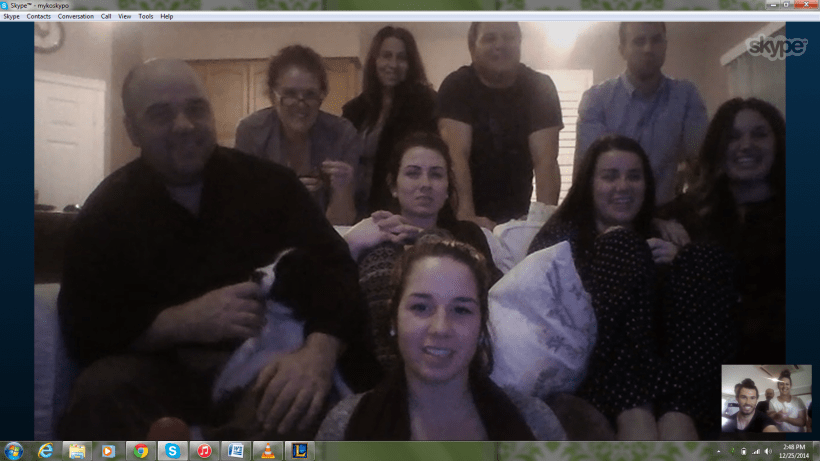

family
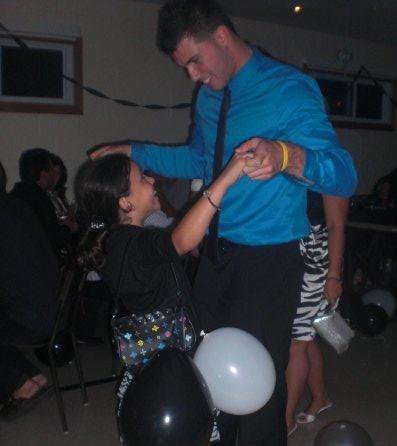
The family I treasure; The one I almost left behind.

The bottle of stolen Tylenol 3’s and a two six of vodka were waiting, all I had to do was settle into bed one last time.

I wasn’t sure what would happen next, but I was certain that it couldn’t be worse than the pain I woke up to every morning. The confusion. The sadness. The lack of motivation or caring.

I wasn’t afraid of a hell, because I was burning in one each day I got out of bed.

But I was afraid.


I was afraid of fucking it up.

I was afraid of what my friends might think if they found out that I was in the hospital because I tried to kill myself.

I was afraid of what that first conversation with my mom might sound like after I woke up.

I was afraid I might have to look my father in the eyes, or that my little sister might finally stop looking up into mine.

I couldn’t even stand to think of my grandparents.

But most of all, I was afraid of people’s pity. I was afraid of the stigma that would follow me everywhere I went.

The scarlet letter of our age.

That, to me, was a fate surely worse than death.

17544_602975396538_7307108_n
As the oldest of many cousins, I was afraid of how they might look at me.

I took the note to my family back out. I scribbled something down about me having had a good life.

It was a good kick at the can.

Writing down goodbyes made me feel a bit better about the whole situation. Like it would help the people I left behind.

My mask was quickly falling apart and it was time to leave the masquerade.


My parents were still moving around above me, but I took solace in the fact they would soon be in bed.

How pathetic, I thought, still living with your parents at 24 years old.

It was one of the many times a day I spoke negatively to myself. No wonder we didn’t like each other – myself and I. That negative self-talk is a slow poison that will make you sick.


I decided to log onto my Facebook while I was waiting for my parents to go to sleep. I wanted to see photos of my sisters one last time. I wanted to see a few old friends.

I even thought of saying goodbye to the world with a status change, but in the end couldn’t jeopardize the plan. Someone might see or – worse – tell someone who could stop me. So I decided against it.


That’s when I got the message.

It was one of my best friends, and someone I went to York University with in Toronto.

Are you okay man?” The first messaged read. I could see he was still typing.

“I know we joke a lot, but I’m asking you for real. Are you okay?” He told me I was worrying him.

He told me I wasn’t the usual ball of light in his life that he had become accustomed to. He told me he hadn’t seen my infectious smile in months, and couldn’t even remember the last time he heard my laugh. He told me he noticed I had been avoiding our usual Thursday night group gatherings for cheap drinks at Blueberry Hill on campus.

I hadn’t been to class in weeks and when I did show up, he said I looked like I hadn’t slept in weeks.

And then he told me I wasn’t alone.


It’s funny, because the thought had actually not entered my mind. Up until that point, I had just assumed I was alone. I took it for granted, and truly believed it.

When he told me that I wasn’t, I felt like a man treading water in the ocean who had just been given a glimmer of hope. Drowning with no ships in sight, I had magically found my hand on a life raft.

I told him no, I wasn’t okay. I told him I didn’t feel like waking up tomorrow morning. I told him I didn’t plan on waking up.

He eventually talked me into telling my dad.


It was the longest walk upstairs that I’ve ever had to do. They were the hardest words that I’ve ever forced out of my mouth.

But my dad took one look at me and he knew. He saw a look on my face that I usually kept locked inside of my bedroom. He saw the face without the mask of happiness I wore for everybody else.

I don’t think I had even finished telling him everything I was feeling before he had me in the car on the way to the hospital, telling me the entire time it was going to be okay. Letting me know I wasn’t crazy, or weak, or any of those things I had labelled myself.

And you know what? Everything was going to be okay. But that trip to the hospital was only the start of my struggle.


I was diagnosed with bipolar disorder shortly after, and put a range of drugs to numb my mind and soul. A range of uppers, downers, and inhibitors, I quickly became a zombie.

After months of shuffling around completely numb, I realized that my friends and family had still lost that little ball of light that they had grown up with. I didn’t want to be a zombie any more than I wanted to be dead.

Luckily my family doctor was against the medication I had been put on, and prescribed for me a simple regiment of training and eating properly. Over the years, I’ve made the additions of yoga and meditation. I stopped talking myself down. I stopped blaming myself. I started actively learning to love myself. We became friends again.

I started a practice of happiness.

** I want to note that I do believe pharmaceuticals can help people. It certainly helped balance me out after I had let things get out of control. It’s about what works for you. Everyone’s struggle is different. There is no shame in using any and all avenues of help – medication included. **

tropic
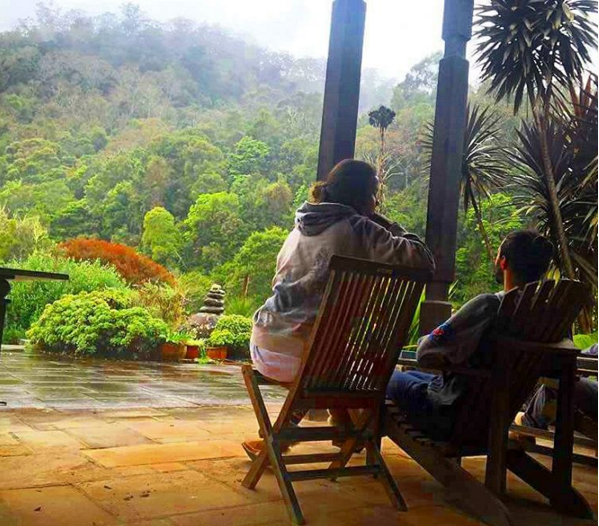
Open yourself up to the beauty all around you; Life is beautiful, and you’re apart of it.

But the greatest gift I’ve given myself was a change in perspective.

At first, I saw depression as the disease. I saw it as something I had, like a virus.

But after I started practising happiness every single day, my perspective changed.


Depression is not the disease, it is the most overwhelming symptom of the disease.

The disease is our western way of life. The disease is our society, and what it teaches us about ourselves.

The disease is believing we need to own things to be valuable. We need school degrees to have knowledge, or an opinion. We need a small waist or large biceps or a big ass to be desirable. We need those perfect teeth or chiseled jawline to be beautiful. We need a house with the picket fence and the office job to be happy. That we’re anything less than perfect exactly how we are.

And unfortunately we’ve all been born with the same disease.


Some of us handle it better, some of us make it work. Some of us are capable of finding happiness in this society and that’s a beautiful thing.

But some of us need more.

Think about when you have the flu and your symptom is vomiting. Do you take something to attack the vomit, or do you take something to attack the flu virus? Attacking the vomit on the floor doesn’t make a lot of sense, does it? At least, it didn’t for me.

So instead of treating my bipolar disorder with a cycle of pills like a sexually transmitted disease, I stopped attacking the symptoms altogether.

Instead, I attacked my desire to own shit I didn’t actually like to impress people I didn’t care about.

I started to pursue a blueprint for happiness of my own design. I left the bubble I was told would keep me safe and happy.

I kept myself in a gym and started playing hockey again, so my body could move the way it was designed.
16343560_10100802971925848_636496296_n
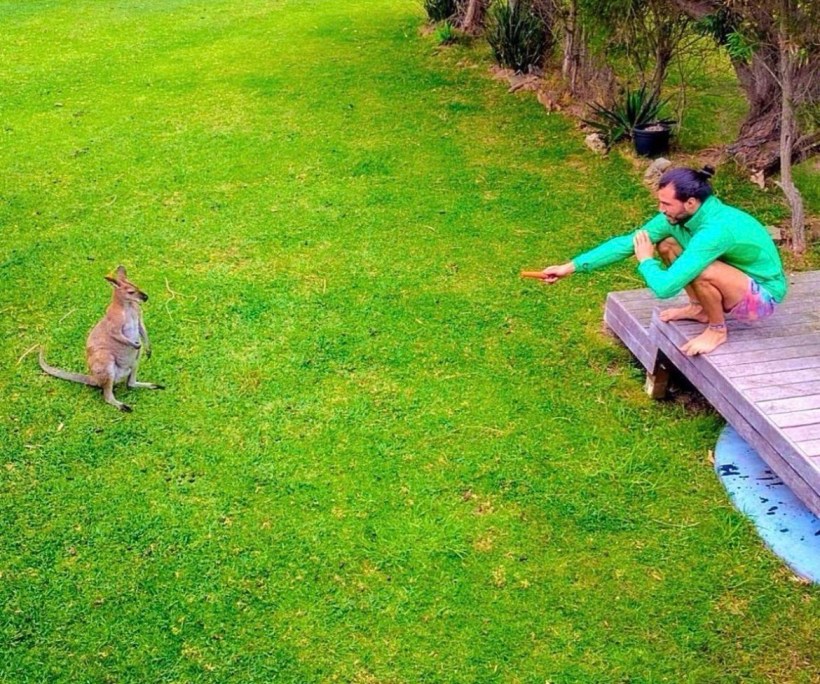
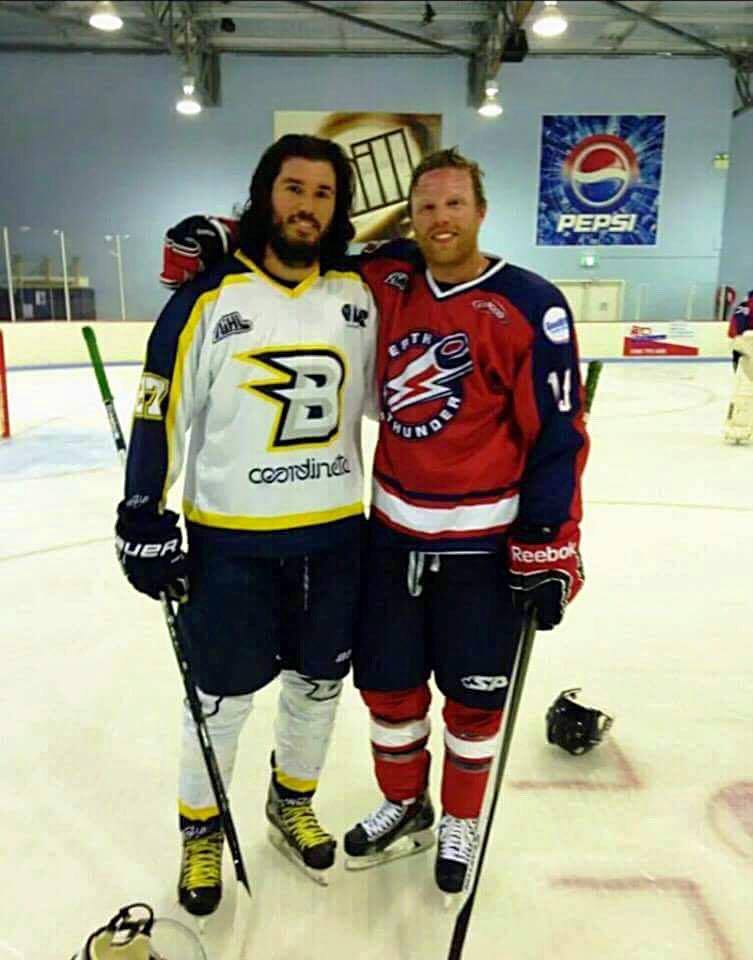
Who would have thought I would end up playing ice hockey in Australia against one of my oldest buds?

I started choosing the food that would nourish my body, the food my body was designed to process and to use as energy. I began avoiding the food that would destroy my body and mind.

I meditated on negative thoughts to find their source, and then I broke apart that socially created stigma or fear.

I stopped trying to force things. I let go of the things I couldn’t control.


I gave up the fight against depression, but I attack its source. I destroy that virus a little bit every day. It will always fight back, until the day I die, but already it’s power is a shadow of its former self.

And, as suspected, its greatest symptom – depression – has not shown its ugly face in many years.


I look back now and think of how absolutely insane it is that I was one hour and one conversation away from no longer being on this earth.

I think of the people I’ve met, all the memories I’ve made, all the wonders of nature I’ve seen, and all the love I’ve experienced since that night. I’m so grateful to be in this life that I was willing to discard not so long ago.
img_1901
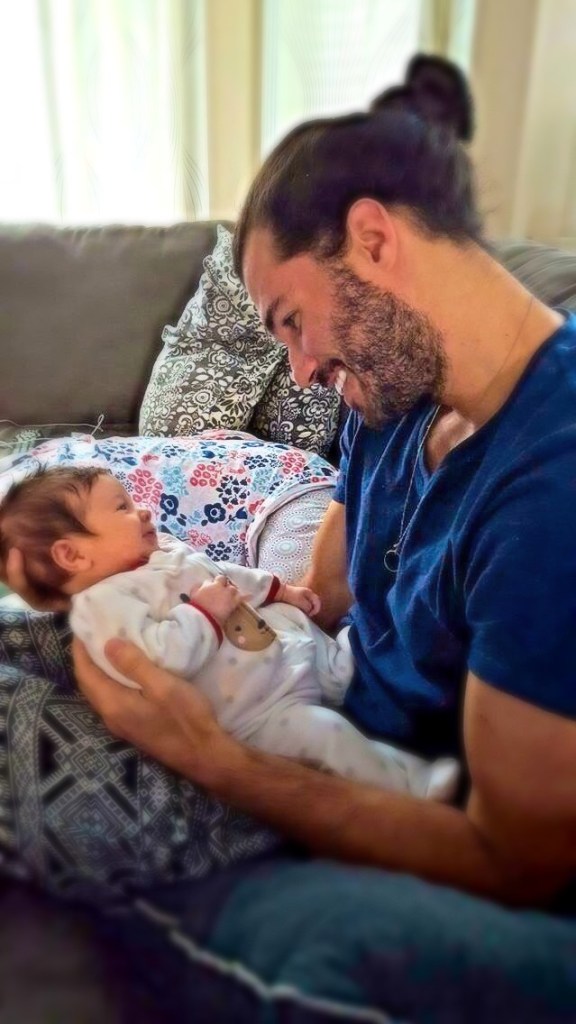
Where will you find your next moment full of love?

I have chosen happiness for this life. And you can too.


If you take one thing from this post, I want you to remember you are not alone.

I’m always here if you need to talk to someone. Seriously, no bullshit. Pick one of my various social media pages and reach out and let’s talk it out. I will never judge you for how you feel.

Because feeling sad is just as normal as feeling the opposite. And there’s no reason to hide it.

And if there’s someone in your life who seems a little off, ask them about it. There’s no special day or time to reach out to someone you love. And, if your concern is real and genuine, it can save a life.

Seriously.

I’m the living proof.

You are loved and cherished by more people than you realise.

And you can be happy again.

With all the love I possess,

A fellow survivor,

~MG.

On Attachment:

Why are we so afraid of attachment?

“Don’t do it,” my cousin warned. “Don’t get attached.”

I laughed at him. He obviously didn’t have to worry about that.

But my laugh didn’t seem to convince him.

“You have no idea who she is – she could be crazy.” His warnings continued.

Valid point, I thought. I hardly knew her.


I had met her only a week previous, on the night of her birthday.

The mood was festive. Her sister was visiting and her friends were with her. The weather was perfect. Anyone could be a pleasure to be around in such a perfect setting.


“You could get hurt.”

I hated to admit it, but that one struck a chord.

He’s right, I thought, I could get hurt.


But sometimes we can’t shake the feeling that it doesn’t matter.

Sometimes we just can’t shake the feeling that we’ve found someone that we want to be attached to.

So when did we start to correlate suffering with attachment?


It’s a thought that sort of worked it’s way into the western mentality from its distant origins in the east.

The idea of dis-attachment is nothing new. Various Buddhist and Hindu sects have always determined attachment to be a major source of human suffering.

Attachment is the origin, the root of suffering; hence it is the cause of suffering.” The Dalai Lama at Harvard, 1988.

A very superficial understanding of the concept has worked its way into our psyche.

We see attachment as a bad thing.

It means opening up to the chance of losing something.

It means being vulnerable.

It means falling in love with a person who could take that love away from us at any time.

It means getting hurt.

But how much truth is there to this simple understanding of attachment?


I look around me, and I see that attachment makes up the very foundation of life.

On a purely molecular level, hydrogen molecules attach themselves to oxygen to form water – the elixir which makes life possible.

The biological attachment of man to woman creates life, and the attachment of a mother to her child is what allows that child to survive infancy – as her mother cares for the child out of that attachment.

The tides of our oceans are intricately attached to the gravitational pull of our moon, which in turn is attached to the pull of the earth, which spins happily in its attachment to the sun and our solar system.

The bloom of the African lilly is forever attached to the spring for the perfect conditions, the bees for its pollination, and the sun for it’s nurturing kiss.

In an infinitely interconnected universe, attachment is creation.

Attachment is life.


08e2929ba8f63e95f13c89b8c8b28afa
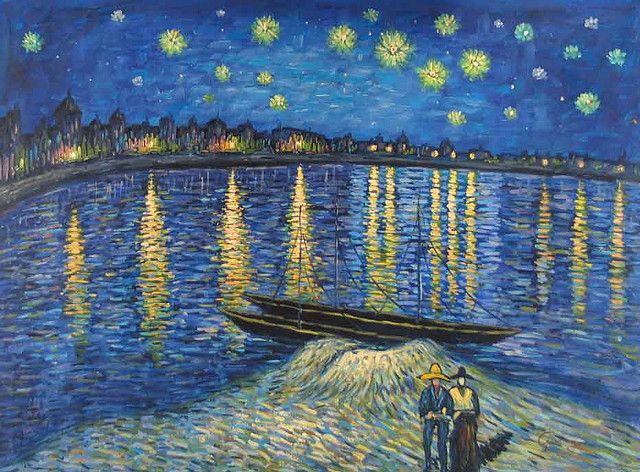
Starlight over the Rhone Near Arles [1888] by Vincent Van Gogh.
And yet attachment can be a dangerous thing.

It is when our attachments are based on reliance that it has a high propensity to cause suffering.

It is when we fill the void inside of ourselves with attachment that those attachments gain the power to hurt us.

It is when we attach ourselves to the love of others rather than the love of ourselves that our attachments become toxic.

It is when we attach ourselves to the acceptance of our peers rather than ourselves that our characters become weak and dependant.


Someone close to me always says that you have to fill your own cup. It is when our attachments fill our cups that they become dangerous, because at any moment we may lose them.

This leads to cycles of loss and gain, unbalanced relationships of power and reliance, and, for the most part, pain.

That is the lesson of the west, the lesson of the Buddhists and the Hindus. We mustn’t attach ourselves to sources of love and happiness that we should be getting from our own heart and souls.


But fearing attachments because we may lose them is only weakness.

It is a fear of loss.

It is a fear of being hurt.

It is a fear of not being worthy.


But we are worthy of love.

We are worthy of acceptance.

We are worthy of real, committed relationships.


Allowing ourselves to become attached is one of the greatest forms of vulnerability that we can demonstrate to each other.

The more attachments we have, the more we’ll lose.

The more we’ll suffer.

But that pain is the price we pay to live life to the fullest.

To avoid pain and live life in solitude is the life of a monk.

It is the absence of vulnerability, and it is the absence of the awe and wonder our indulgence in this human experience provides us.

It is human to be vulnerable.

It is human to attach.


The vulnerability that we demonstrate in attaching ourselves to another forces us to dive deeper into ourselves.

It is an essential journey into finding out all the intricate details about ourselves – the good, the (not so) bad, and the things we need to work on that we would have never noticed otherwise.


But finally, it teaches us acceptance.

It teaches us to accept ourselves as perfect just the way we are.

It teaches us to accept another as just as perfect.

It teaches us to accept that we may lose that person or thing at any moment, and that’s okay.

In fact, it makes that person or that thing even more valuable and beautiful because we may lose them tomorrow.

In the acceptance of eventual loss we find appreciation.

We find gratitude.


We’re not perfect. We never will be.

We will struggle to reach that higher place of existence for the rest of our lives.

But we can learn to be happy by ourselves.

We can learn to love and accept ourselves.

And along the way, when we get that undeniable feeling that we’ve found someone we want to attach ourselves to, we’ll be absolutely fearless when we do it.

Be good to each other,

– MG.

On Goodbyes:

Goodbyes are a beautiful thing.

I’ve never been the best with goodbyes; I don’t think many of us are.

It might be why I’ve come to dislike airports as much as I do. If you’re in an airport, you’re saying goodbye to someone, or something, in some way or another.


Part of me wonders why we put ourselves through these types of feelings.

And here I am, in another airport. I’m looking around and watching the goodbyes everywhere. Sisters holding each other tightly in an embrace. A father holds his little boy who is crying because he’s leaving. Lovers hold hands until that final, desperate moment.


The older I get, the more I realize that every goodbye could be the last we have with that person.

And yet I realized today that it’s for that reason exactly that goodbyes are a beautiful thing.


In a little over an hour waiting to board my plane, a million memories of the person I had just said goodbye to flooded my mind.

I felt a strong appreciation for all of the times I was lucky enough to spend with her. I laughed aloud at the many good memories, and replayed with understanding and compassion the uncomfortable ones. I found myself momentarily regretting all of the times I wasn’t completely present in the moment with her.


The experiences with our loved ones are special because we have to, at some time or another, say goodbye to them. With this in mind, each moment becomes a singular treasure to be cherished and appreciated.


I used to want to live forever. I wanted my friends and family to live forever. I wanted to stay close to home. I didn’t want to say goodbye.

But what would relationships be worth if we were not doomed to one day say goodbye?


So spend time with those you love. Connect with them on the deepest levels. Laugh off the perceived issues and embrace the great times.

Stay completely present, because one day you’ll say goodbye.

And that’s a beautiful thing.

Be good to each other,

– MG.

On Death:

What is it about death that actually scares us?

When I was growing up, I always took great delight in the autumn season. I’m not sure if it was because my birthday was coming up, hockey season was around the corner, or simply because of the beauty of the Canadian wilderness in fall.

The ordinarily green landscapes would be stroked orange, red, and yellow by the paint brushes of the gods. Fields full of grass became oceans of amber. Bronze sunsets would tint the city gold and set the sky ablaze.

And yet, everything around me was dying.

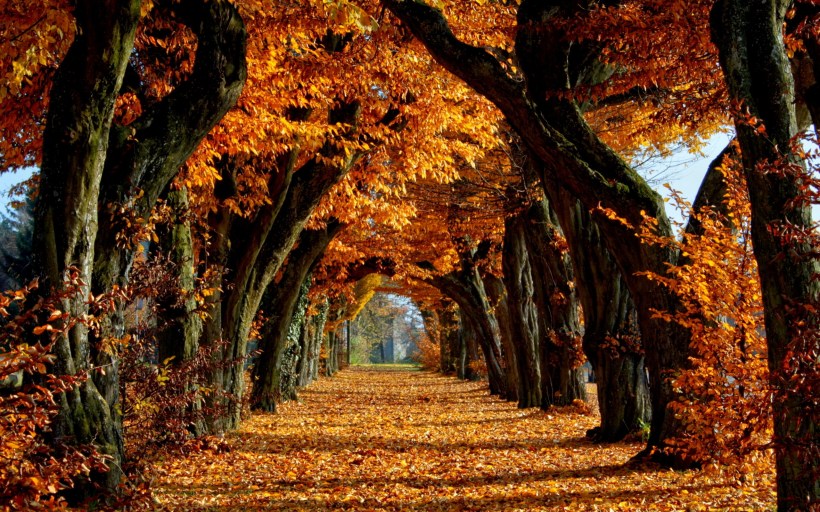
Autumn
A Canadian Autumn [Source: canadianmusichalloffame.ca]

It’s curious to think that I don’t know of a single person who has wept for fallen leaves, or wilting flowers, or dying grass. We innately understand this is the way of things. We know that spring will come, and the cycle of life (and death) will renew itself.


Why then, do we fear death? Why do we see our own death as the end of the straight line we’ve travelled since birth? Why is it so uniformly regarded as something negative?

Whether we’re afraid of what comes next, or dying painfully, or just the thought of our lives ending, it’s the ultimate boogeyman in the human experience.

Even the Romans, as battle hardened and fearless as they were, refrained from uttering the word “death.” By doing this, they gave power to the very word.

Death is certainly a part of life, and is certainly inevitable. It comes for us all. Does this give it power over us?

Of course not. We do not fear sunsets and sunrises, we do not fear the passage of time, we do not fear breathing. Yet these things are all inevitable. Inevitability doesn’t give something strength, but fear does.


The fear of death is death’s only weapon against us. Like the monster under our bed, it grows in ferocity and size as long as it remains the great unknown. In tackling the fears that surround death, we free ourselves from its grasp.

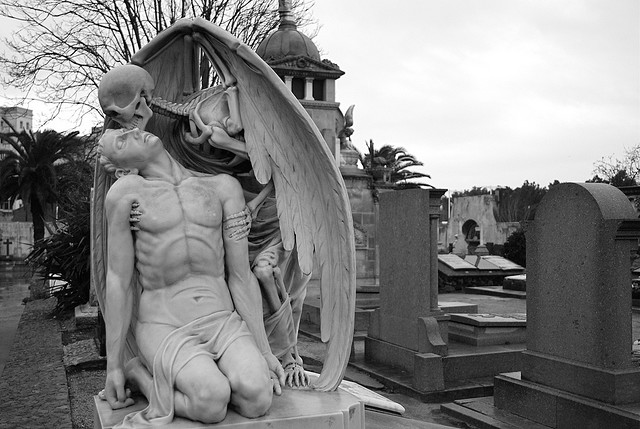
kiss of death poblenou barcelona 3
The Kiss of Death statue in the Graveyard of Poblenou, Barcelona, Spain. [Source: http://www.kuriositas.com]

Why, exactly, do we fear death?

(1) We fear death because we don’t know when it may come.

We fear the idea of dying young. 

I think of Jimi Hendrix, Alexander the Great, Amy Winehouse, Frédéric Chopin, John Keats, Tupac, and Tutankhamun. They all died at extremely young ages. Yet I would be willing to bet they lived lives more rich and full of experience than many of us rotting away in a cubicle.

On the grand scale of time and space, the difference between living 30 years and 80 isn’t even a blip on the map. Whether we die old or young we’re only here for an infinitesimal period of time, a period of time we cannot control.

We only have the power to make those years count.


(2) We fear death because we don’t know what comes next.

If I’m being perfectly honest, I usually have no idea what day of the week it is without ample reminders. Every day is a surprise. I’m at peace with the fact I generally have no idea what’s coming next.

We didn’t know what came next when we escaped the womb and came into this world kicking and screaming. We didn’t know what came next when we shipped off to university.

Sure, there was a little nervous energy, but we were generally excited about that great unknown. It was all new and beautiful.

Life can change in an instant, and that’s exactly what death is – life changing in an instant.

Whether death is the start of a new life or the end of an old cycle, change is never something to be feared.

It is only our concern with what may come in the future, or what happened in the past, that binds us to the wheel of life and death. By remembering that the present moment is the only moment, we free ourselves from that ever spinning wheel.


(3) We fear death might hurt.

I think I can speak for all of us by saying life usually hurts. Breaking bones was a price of playing the sport I loved, for example, and I broke pretty much everything above my waist – twice.

We’re riddled with coughs and colds and aches and pains and pimples and gas. We battle the seasons; we’re freezing in the winters and choking on smog in the summers. The suffering of life is unavoidable.

It seems a bit absurd to worry about the suffering of death, when our suffering is constant and unrelenting in the life we’re living. As far as we know, death is a release from our daily human suffering. Death is the absence of pain.

I’ve seen many people and animals suffer in life – but have never seen one struggle in death.


Nothing can be grievous which occurs but once; is it reasonable to fear for so long a time something which lasts so short a time?” – Michel de Montaigne, How We Weep and Laugh at the Same Thing.


I often wonder if a rose would be as beautiful if it were perpetually in bloom, or if we would cherish the springs if there was no winter. Life isn’t beautiful because it is long, or painless, or safe.

Life is beautiful for the simple fact that we are mortal. Death is what makes life a special gift. Every moment can be our last. For this reason, everything we touch, smell, hear, taste, and see is magical.

Death is our constant reminder to appreciate this life that we’ve been given.

Appreciate the people around us, the things that we have, and the healthy bodies we’ve been given.

Memento mori.

Be good to each other,

– MG.


On Judgement:

The only way of truly knowing anyone or anything, is to get to know them.

The rain was splattering heavily against the bus window. I couldn’t hear it over the pod cast I was listening to, but the visuals were just as calming.

The bus was unusually crowded for the time of day, and I happened to be one of the few people without a person wedged into the seat beside me.

But alas, my personal freedom was not meant to be.

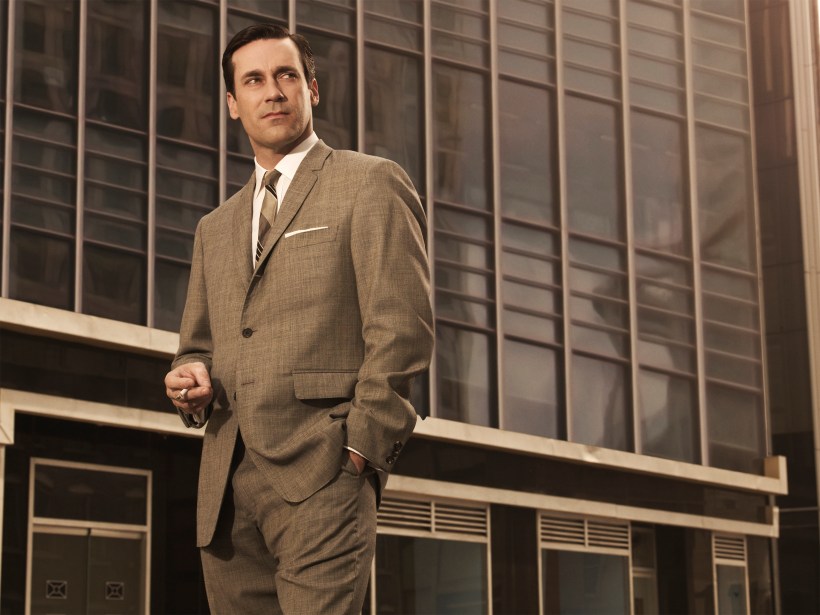
An elderly gentlemen stepped onto the bus, closed his umbrella, and shook it dry. He dusted off the sleeves and fixed the cuffs of his brown suit that he could have stolen from the set of Mad Men.

7-62.jpg
Mad Men: An accurate depiction of the old man’s suit.

He spotted the seat next to me and made his leisurely advance toward it.

As he walked toward me, a million suggestions about him flooded my head before he got to my seat. Out of touch. Senile. Grumpy. Bitter. Lonely.

In short, I believed from the moment I saw him that he had nothing in common with me.

I tried to smile at him when our eyes met, but the scowl on his face appeared to be a permanent fixture. Cranky old man, I thought to myself.

He wiggled in his seat as though he was jostling for position. I tried to show him with my body language that I couldn’t move over any more than I already was. We weren’t off to the best start.

I tried to keep my gaze outside of the window, but the man kept fidgeting. I tried to ignore him, but I couldn’t.


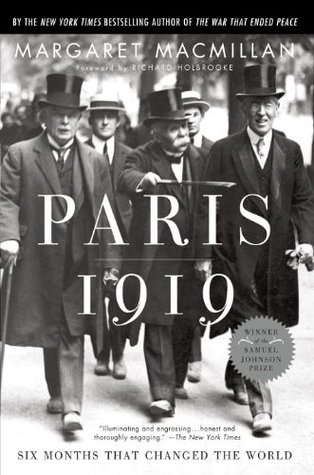
I eventually checked to see what he was doing. He was pulling out a book. I was surprised to see it was Paris 1919 by Margaret MacMillan (…..Canadian!).

26348
Paris 1919: Six Months That Changed the World by Margaret MacMillan

The nerd in me couldn’t help but remove my headphones and tell the man that was my favourite book from all of my undergraduate history studies. As I began a one-way conversation about some of my favourite points, he looked at me almost bewildered.

I instantly recognized that look of surprise, and that’s when it hit me.

He had judged me in the same way I had judged him.

I thought of how I must have looked to him when he first saw me. I was in gym gear, with long hair, a beard, drinking a shake, and with my headphones on.

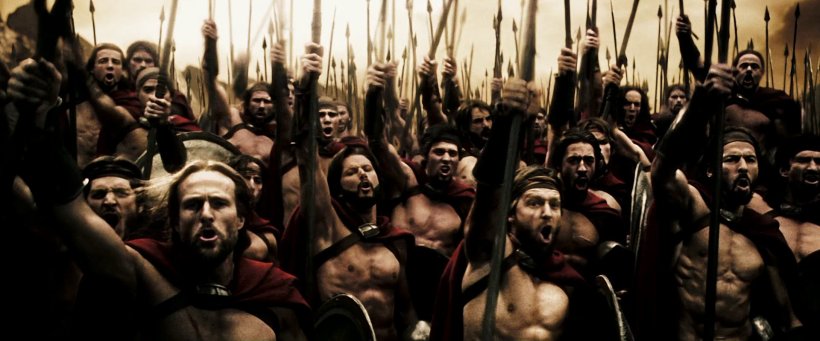
I look at myself sometimes and think I look more like I belong at the battle of Thermopylae than I do in a law classroom. It was comical to imagine how he saw me.

spartans-what-is-your-profession
A scene from the movie 300: “Spartans, what is your profession?”

To him, I was probably just a young punk who knew it all. I was probably listening to hip-hop or whatever “kids these days” find appealing. I was probably off to “do my exercises” so that I could better “chase all the girls.” I probably even smoked those “marijuana cigarettes.”

And who could blame him? With how I looked, it might have been a stretch for him to guess that I was actually listening to a podcast on the third Punic War, heading for a quick workout so I wouldn’t go stir crazy studying for law exams.


We talked about the book and our favourite personalities of the first world war. Our talks on the first world war quickly became talks about the second. We talked about our relatives who lived through it.

He found out I was a Canadian, and told me about his travels to Ottawa and Toronto. We talked about my travels in Australia.

It also turned out he was a professor of History. We compared our favourite Roman generals. We talked of famous victories and disastrous defeats. It may be nerd speak to some, but we were connecting through a mutual passion.

When he got on the bus, I had immediately assumed that this was a man I had nothing in common with. It’s safe to conclude he had assumed the same. Yet here we were, finding common ground at every turn. He reminded me of my grandfathers, and the passion they instilled in me for life.

I almost missed my stop because we were in such deep conversation. I found I was legitimately upset to part with my new friend. We said our goodbyes and I left with a deeper faith in our connectedness as humans.

I say, sir, that you can never make an intelligent judgement without evidence.” – Malcom X, The Playboy Interview.

We say it all the time – not to judge a book by its cover – but this experience took it a step further for me. I don’t think its at all possible to judge a book by its cover.

We really have no idea who a person is until we dive into their world.

We can only judge the mask they show to us. We can judge the trends they support, but we can’t judge them.

We have no idea if it’s Beethoven or Drake playing through those headphones. And, even if we did know, what does that really tell us about a person?

The more obsessed we’ve become over our own appearances, the more judgemental we become of the appearances of others.

The only way of truly knowing anyone or anything, is to get to know them.

Imagine a world the same as ours, except the moment someone felt the need to judge someone they instead took a moment to connect with a fellow human being.

What a world that would be.

Be good to each other,

– MG.

On Paris and Beirut

Choose to be a champion of love and acceptance, rather than a slave to hatred and fear.

I didn’t plan on writing about the horror that struck Beirut and Paris, just a day apart, over a week ago. To be honest, I’m not entirely sure why.

I guess a part of me didn’t think it was a time for heavy-handed words. Humanity was once again bleeding from wounds caused by senseless violence against itself. Infected and swollen from thousands of years of agitation, we had once again ripped off the scab.

I wanted to people sit in that wound. I wanted us to feel the pain and the sadness that my brothers and sisters across the world were drowning in.

A part of me wanted a moment to breathe. We humans, when overwhelmed with powerful emotions, are vulnerable to overreacting. I didn’t want to be swept away by the tsunami of aggression, hatred, bigotry, Islamophobia, and calls for vengeance that flooded my news-feed.

Another part of me felt a bit hypocritical writing about Beirut and France while I, like most of us, had largely ignored the other 287 terrorist attacks that have taken place thus far in 2015.

Even the tragedy in Beirut was barely whispered about, until the Lebanese community finally came together and made themselves heard.

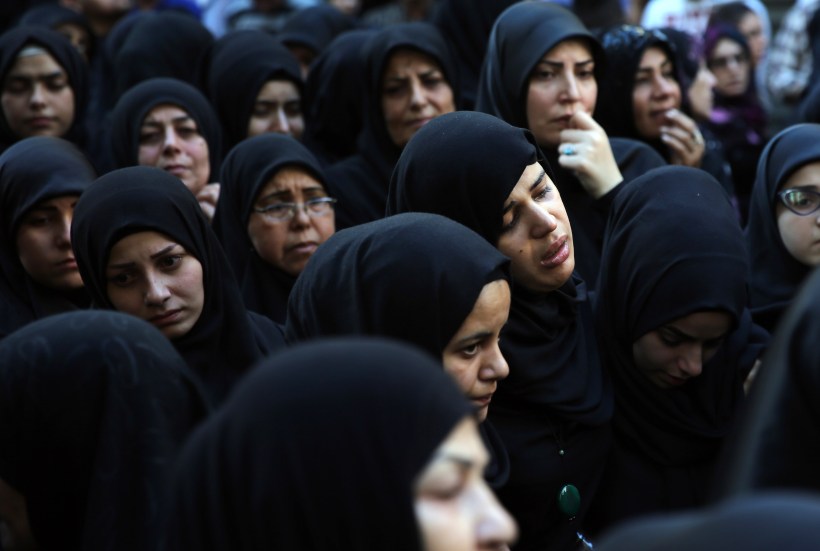
LEBANON-UNREST-BLAST-AFTERMATH-FUNERAL
Female relatives of Samer Huhu, who was killed in the Islamic State twin bombing attack, mourn during his funeral in a southern suburb of Beirut on November 13, 2015. [Photo Credit: Getty Images]

There was also the part of me who witnessed so many of you fighting the good fight; rational minds not being overwhelmed by fear; pure hearts preaching love instead of hate; devote warriors of peace refusing to be goaded into a trap and ambushed by the desperate plotting of Ares.

In short, I felt that you didn’t need my words to echo your own, and I still don’t believe you do.


But I recently come across a story that Livy included in his “History of Rome” that really struck home with me. Although it seemingly has nothing to do with Beirut and Paris, I think under the surface the two events are directly related.

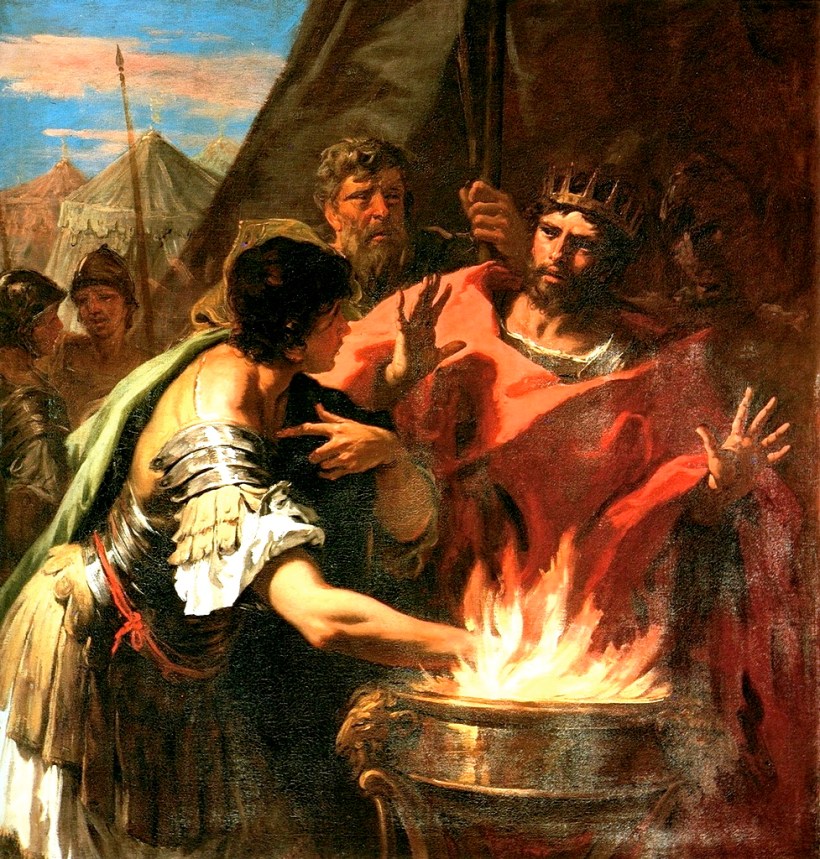
Gaius Mucius Scaevola was a Roman warrior who was captured during a war with the Etruscans. Mucius was brought before the Etruscan king who showed him a raging fire. Mucius was told that unless he betrayed his fellow Romans, he would be thrown into the flames.

The king was using the heat of the fire to strike fear into Mucius, and attempting to use that fear to break him.

Mucius announced that he was a citizen of Rome, and that he would rather die than be a slave to fear. Livy explains that after his declaration, Mucius

thrust his hand into the fire that was kindled for the sacrifice. When he allowed his hand to burn as if his spirit were unconscious of sensation, the king was almost beside himself with wonder.”Livy, History of Rome.

Staring into the eyes of the king, Mucius demonstrated that he would always have the power of choice. Outnumbered and helpless, he choose to put his own flesh to the flame rather give into the fear the king was trying to use to control him.

He did not scream. He did not flinch. The pain was welcomed. It was a demonstration that Mucius, though in a dire situation, never gave away his personal power and freedom.

The king feared Mucius’ bravery might be a representation of the Roman people as a whole. He released the man and immediately sought a peace with Rome.

He knew that if the spirit of a people cannot be broken, then the people themselves cannot be broken.


tumblr_ml0lxp3ieI1qbhp9xo1_1280
 Mucius Scaevola (c.1680-4) by Sebastiano Ricci; Although in this rendition the artist’s flames are not quite big enough to be “flung into” – the fate Livy suggests was awaiting Mucius – the act of defiance is equally as powerful.

We, as a collective people, are in the same situation that Gaius Mucius Scaevola found himself in.

Paris and Beirut were our captures. ISIS, sensationalized media, and governments with very specific agendas play the role of the Etruscan king. Muslims and refugees are our fellow Romans; our brothers and our sisters.

Here we stand in front of the king’s black flames of hatred of ignorance. Forces of evil watch eagerly to see if the heat of those dark embers will scare us. They watch to see if their tactics of fear will make us turn our backs on our family in the middle east. They need, and want, us to betray our fellow humans.

For their power comes only from our weakness; they cannot break us from the outside, so they pray that we will cave in.

The power of choice is ours. I look around me and I see the strength in all of you.

Stand before that fire of darkness. Look defiantly into the eyes of the love’s enemies and keep your steady hand in the flames of their hatred.

Choose to be a champion of love and acceptance, rather than a slave to hatred and fear.

If one man changed the mind of a king and altered the history of Rome, imagine what humanity can do if we stand together, as one, against prejudice, fear, and hatred.

Be good to each other,

– MG.

On Remembrance:

Every year during this month, on the eleventh day, at the eleventh hour, we remember.

But what, exactly, are we remembering?

Not one veteran of the first world war is still living. Of the over sixty-five million central and allied soldiers who fired a shot in that war, there is not one of them who still draws breath. Think about that.

There is not a single person alive who experienced the horror of the battlefield first hand. Of the hundreds of millions of bullets and shells exchanged in the first world war, there is no longer anyone who actually remembers pulling a trigger.


Two Canadian Soldiers Share Cigarettes on the Battlefield. [Image Source: stcatharinesstandard.ca]
Two Canadian Soldiers Share Cigarettes on the Battlefield.
[Image Source: stcatharinesstandard.ca]
For our part, we remember statistics, dates, key players, and usually a story or two regarding a distant relative who fought in the war.

Our countries remember glorious victories and heroic deeds. We remember who “won” and “lost”. We remember the names of leaders and generals who led the troops. We remember the rhetoric about our freedom. Men gave up their lives so that we could live free ones.


But are we missing something? Is there something else we should remember?

Too often do we forget it was not statistics fighting the war. It was not the generals and leaders who were up to their stomach in mud, blood and human waste.These were fellow humans, living through terrifying nightmares that our lives of comfort cannot allow us to comprehend.

Historian Dan Carlin refers to it as the “human element” in his fantastic Blueprint for Armageddon series.

These were people like you and I, thrown into the 20th century version of a meat grinder. This was the future generation of an entire world being gambled like poker chips.

In forcing ourselves to face the human element of war, we force ourselves to remember what we have.


Children forced to evacuate their home country of Montenegro as a result of Austrian occupation. [Source: U.S. Army Signal Corps No. 153238.]
Children forced to evacuate their home country of Montenegro as a result of Austrian occupation.
[Source: U.S. Army Signal Corps No. 153238.]
Roughly 18 million people died in the first world war alone. To put that into perspective, take the two biggest cities in North America (Mexico City and New York) and then imagine every single person in both cities being wiped off of the face of the earth. Our minds simply cannot conceive how much life was lost during those four years.

Entire neighbourhoods of men signed up together, and were slaughtered together. Think of a group of your closest friends, people you grew up with and love like family. Brothers from another mother; sisters from another mister. You may think of team-mates, neighbourhood besties, dance-mates, the list goes on. I think of a group of brothers I grew up with in the cold rinks of Canada.

Now picture the group of you, walking miles in a wasteland. Think Mordor, the aftermath of Hiroshima and Dresden, or the Moon. You shiver as the cold spring rain beats down on your group. Bullets whiz past your heads, and shells are exploding all around you.

On the first day, half of your group is killed by a single shell. Their body parts litter your trench but you’re uncertain what leg belongs with what torso, so you don’t bother with the pieces of them.

Your closest friend of the group goes insane within days of your arrival because of the constant pounding of artillery and screaming of machine gun fire. That friend is accused of cowardice by your superiors for his refusal to control himself, and is executed for it. You know he wasn’t a coward, his mind had just been incapable of accepting the horrors all around him.

The rest of you are sent over the top of the trench which, like the last fourteen attempts, ends in complete failure. You fall into a hole carved into the earth by an explosion and hide there, hoping the enemy doesn’t jump into the cavity and gut you with his shiny new Nahkampfmesser made of the finest German steel.

At dusk, you hear one of your last remaining friends screaming in pain and crying for help. He’s bleeding out in no-man’s land. Just as you build up the courage to try to save him, you see another friend you had no idea was still alive dart across the barren waste in your injured friend’s direction. He is immediately cut to pieces from machine gun fire. You lose your nerve.


Meet a Few Members of the 1st Newfoundland Regiment; of the 801 who Arrived at Beaumont-Hamel on July 1, 1916, only 68 Were Able to Fight the Next Day. Among the Dead, 14 Sets of Brothers Died Together in a Single Day. Stories Like This Were More Common Than We Appreciate. [Photo Source: Wikipedia]
Meet a few of the members of the 1st Newfoundland Regiment; of the 801 who arrived at Beaumont-Hamel on July 1, 1916, only 68 were able to fight the next day.
Among the dead, 14 sets of brothers died together in a single day.
Stories like this are more common than we appreciate.
[Photo Source: Wikipedia]
Darkness falls. You rush out into the field while the artillery fireworks light up the night sky. You find the friend who had been crying. He’s dead. His own fist is shoved down his throat. You realise that he had seen one friend die because of his screams, and didn’t want to see another, so he gagged himself with his own hand. You remove the letter he wrote to his fiancée back home, who is pregnant with a baby girl, and you run back to the trenches.

Everyone you arrived with is now dead. It hasn’t been a week.


By the end of the war, this will happen to thousands of people. Some will witness people grasping at their throats, eyes bulging, as they fight for the air that chlorine gas is suffocating out of them.

Some will look into the tear filled eyes of barely eighteen year old boys gasping their final breaths. Some will see men wrapped up in barbed wire and covered in bullet holes. Most will smell the stench of millions of rotting corpses. Many will starve or freeze to death. This is the human element.


Early Gas Masks Were Terrifying, But Not As Terrifying As Everyday Life For Soldiers On The Front. [Source: historyonthenet.com]
Early gas masks were terrifying, but not as terrifying as everyday life for soldiers on the front.
[Source: historyonthenet.com]
And yet, for the most part, these people dug in their heels and kept fighting. The romance of war had long been shattered by the horrific scenes they were forced to endure, and yet these men trudged on. They weren’t stupid, but they felt they had no choice. They were terrified. They  believed they would die.

And yet they showed a resilience that is the truest testament to the strength of the human spirit. Let us remember that these were the people that, after witnessing humanity completely shatter itself, had to pull up their boots after the fighting was done and put the pieces of civilisation back together again.


But I can’t help but ask, how would we have handled it? We in the west have lived in relative peace for a long time. We have no great war to fight, no existential threat to truly fear.

In peace, sons bury their fathers. In war, fathers bury their sons.” Herodotus, The Histories.

We think poor WiFi signal is a problem, or that it’s preposterous when we don’t get a strong cell phone signal in our apartment. We think the weekly grind is a struggle, and our weekend spin class is torture. We think we’re hungry when it’s 6 pm and we haven’t yet had our third meal. Many of us can hardly handle the loss of a dog or a cat, how would we react to witnessing millions of humans being slaughtered in front of us?


So what, exactly, are we supposed to remember?

We remember all that they lost – in the most tragic and sickening of ways – so that we may appreciate all that we have. We remember the darkness they were forced to endure, so that we may embrace the light. We remember the senseless hatred and violence so that we may promote love and laughter.

Let us remember the horror our fellow humans endured, so that we may never again do it to each other.

In putting ourselves, as best as we can, into the shoes of those who walked in the trenches, we’ll realise that we actually have a lot to be thankful for.

And to the soldiers who walked through hell, we thank you and we remember.

Be good to each other,

~ MG.

On Sincerity:

I’m not talking about the superficial sincerity you try to muster into your facial expression when you tell your friend their dodgy haircut looks great. It’s not in the tone you try to force into your voice when you tell your significant other they didn’t burn the (completely black) steak and that it tastes fine.

Growing up, we all picked our sides; cowboys or indians; ninjas or samurai; the (very talented) blue players or the (slower, less skillful) red players on a foosball table.

As much as I loved those genetically mutated turtles who ate pizza and ran rampant in the sewers, I was never really a ninja kid. Personally, there was something about the samurai class that I was always drawn toward. This affinity for the samurai travelled with me well into adulthood. There was a certain romanticism about them. They were, to me, the very definition of warrior poets.

I studied Bushido (the way of the warrior) which inevitably led me to stumble upon Yamamoto Tsunetomo’s work, Hagakure: The Book of the Samurai. I found that the more I read, the more disappointed I became. The teachings were often elitist, sexist, selfish, ruthless, and sometimes extremely barbaric.

A player from team blue with the foosball, presumably about to score due to poor red defending.

I found myself able to forgive these massive flaws, however, when I put everything into the proper perspective. These men were not by nature the skilled killers they had become famous for. They were born the same as you and I.

These men could be our fathers, our brothers, our husbands, or our boyfriends. These men were capable of love, compassion, mercy, and generosity. I found it fascinating that they were able to completely transcend their humanity in becoming samurai. I felt myself drawn to the teachings that helped these men – who were people just like you and I – rise above the human restrictions they were born with.

Most of us have no desire to transform ourselves into heartless marauding mercenaries, myself included. That doesn’t mean there are no important lessons to take from Hagakure and the legendary code of the Samurai.

I think we’re all looking for a higher version of ourselves. We all have a deep seated desire to become someone that reaches beyond the limitations we’ve all convinced ourselves we have. Yamamoto’s teachings emphasised a single word that, until that point in my life, I had never placed much importance on.


the_little_samurai_by_azertip

There will be many giants for us to face in this life; we must face them like samurai; we must face them with sincerity.


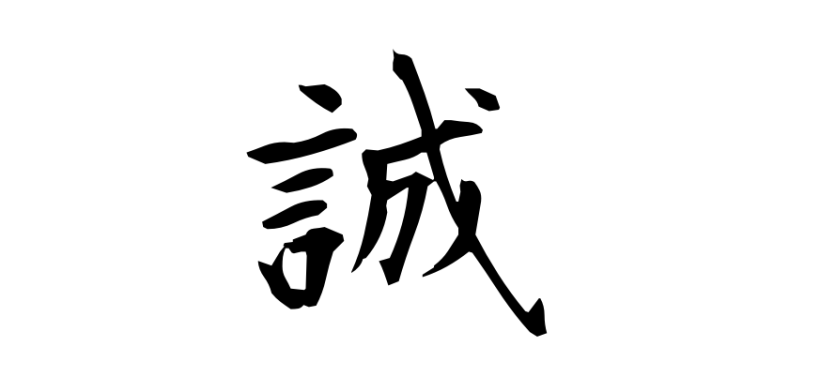
In the Hagakure, the importance of sincerity is constantly stressed. It emphasises the absolute necessity of sincerity in not only self improvement but in all aspects of our lives.

I’m not talking about the superficial sincerity you try to muster into your facial expression when you tell your friend their dodgy haircut looks great. It’s not in the tone you try to force into your voice when you tell your significant other they didn’t burn the (completely black) steak and that it tastes fine.

I’m talking about true sincerity, the kind that can only flourish inside of you. You can put on a Leonardo DiCaprio-esque performance to the rest of the world, but you can’t fake true sincerity to yourself. There is no such thing as almost sincere, or partially sincere. Whether it’s an action you’re taking, a plan you’re making, or words you’re speaking, you either absolutely mean it with every last fibre of your being, or you don’t.

Sincerity does not only complete the self; it is the means by which all things are completed. As the self is completed, there is human-heartedness; as things are completed, there is wisdom. This is the virtue of one’s character, and the Way of joining the internal and external. Thus, when we use this, everything is correct.” – Yamamoto Tsunetomo, Hagakure: The Book of the Samurai.

It is an extremely simple and logical concept. Sincerity is the distinguishing factor between those who actually want something and those who only claim that they do. Many people wish to lose weight; those who take it upon themselves to research proper nutrition and exercise before implementing what they’ve learned into their everyday life exemplify sincerity. Those who take the option of a gluten free bun for their burger, before adding a large fry and a coke, are those who are demonstrating insincerity. Sincerity will quickly show you results and insincerity will leave you wondering why you’re not achieving your goals.

The samurai, for example, were so sincere about living an honourable life that they would actually disembowel themselves – a practice known as seppuku – rather than shame themselves in battle or die a dishonourable death. This practice is actually one of the things I found barbaric about the samurai, but there is certainly no denying the absolute sincerity by which they lived their lives and by which they honoured their code.

They were willing to sacrifice (literally) everything to obtain and maintain something as intangible and obscure as honour in their lives, while most of us couldn’t even give up chocolate for lent. Through sincerity they were able to completely transform their human selves into automatons of destruction. Sincerity was the power behind their ability to become the fearless, emotionless, masters of death that they were.

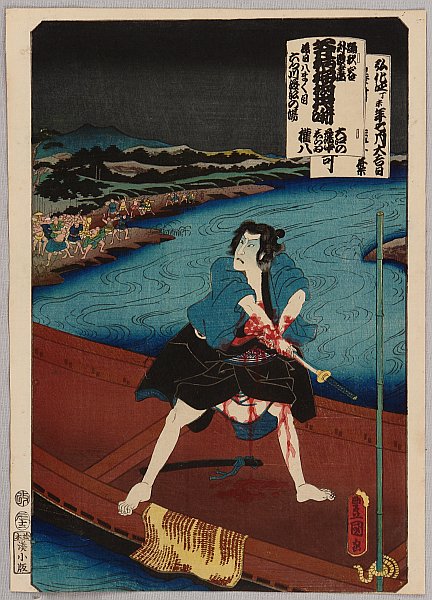
Suicide by River - Kabuki (1856) by Utagawa Kunisada
Suicide by River – Kabuki (1856) by Utagawa Kunisada

Sincerity is present in every aspect of life. In sports, sincerity lives in the child who gets excited for practice, who studies the game. Insincerity lives in the child who’s playing because his parents want it for him, or because it could translate into millions of dollars. Insincerity exemplifies itself in the workplace, in those who switch onto autopilot for forty-plus hours a week in a job they chose because there was a market demand or because it sounded prestigious. Sincerity emits from the ones who jump out of bed in the morning because they’ve chosen to do something they love, regardless of the money they make or the status it brings them.

The more we look for sincerity, the more apparent it becomes. The more we act with sincerity, the more we’ll develop a reciprocal relationship with it. When we act out of sincerity, sincerity acts back. It acts back in the form of noticeable improvements, lessons learned, successes, and (most importantly) failures. These failures tell us we’re on the right path, they tell us we’re going in a sincere direction.

When we speak with sincerity, sincerity responds. It responds in the form of advice from others, grapevine opportunities, offers of help, and real talks with those around us. When we love others with sincerity, with all of our soul, our lives become full of love that is – in turn – sincere.

Life becomes simple when you live it with sincerity. Be sincere with every one of your actions and words. Be sincere with those around you. Most importantly, be sincere with yourself.

And you’ll find the life you attract is sincere to you.

Be good to each other,

– MG.

Photo of giant samurai courtesy of: azertip.deviantart.com

On Substance:

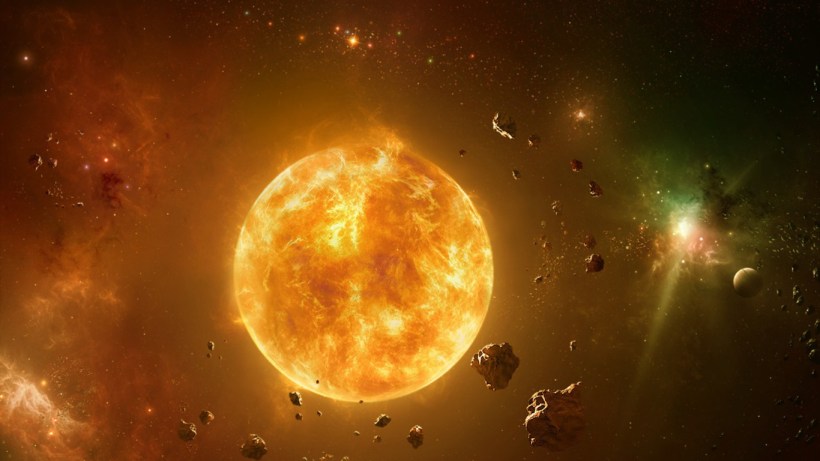
When I think of the word substance, I think of weight. I think of density. A bowling ball, a newborn baby, a dying sun. I think of what actually makes up the matter of someone or something, beyond the mask or façade on display.

tumblr_static_8uyuewxv7o4ckwsgs048w00c
Disclaimer: I have no way of measuring the density of this artistic rendition of a star. But, to me, it looks dense.

We attach varied levels of importance to things tangible and intangible according to the meaning and value they have to our individual experience. Yet the word always carries the same meaning for all of us.

When we say something is of substance we are vouching that it possesses a depth beyond that which can be recognized on the surface, and that depth is essential to its meaning or existence. Substance is the existence of something beyond what we see and, more often than not, it is something of value.


Humans are the perfect example of what it means to have substance. We are much more than the surfaces we allow each other to see.

We are never skin deep. Each one of us is the result of the hundreds of thousands of intricate internal and external relationships and experiences. We appear to be made up of seamless and simple skin on the outside, yet internally we are a patchwork of a million personal pieces unique to ourselves.

It is this chaos inside of us, and not the calm surface, that makes us human. It is what separates us from one another; it is what differentiates us from the similar skin we’re all sharing.

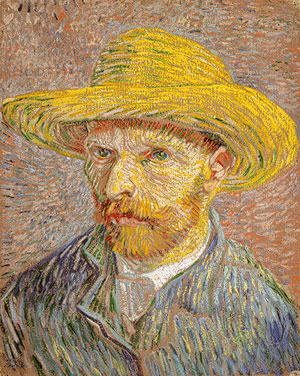
Your internal substance is the part of you that isn’t easy to read or boring to learn about. The vivid and unique oils of your internal landscape are a personal portrait. Consistently being altered by the paintbrush of life, each stroke of colour adds to an already endless wonderland of adventure and intrigue.

Self-Portrait with a Straw Hat (1887) by Vincent van Gogh.

So why then, are we so obsessed with hiding our complexity?


We meticulously maintain and groom our shallow surfaces. We carefully polish our vast array of smiles and we rehearse our jokes – for those are the weapons we’ll arm ourselves with during this weekend’s social campaign.

We place an unhealthy importance on the mastery of crafted emotions; our gasps of shock and fits of laughter must be believable and emphatic. We carefully iron out our faces after our trousers and we use the same mirror to apply our emotions in the same way we do our lipstick. We spray on our personality with our fragrances. We wear around our necks the persona we want others to see and then we hang Tiffany pendants and wooden crosses from them.

Our outward expressions, no longer useful tools in demonstrating the inward feelings we ignore, have become gadgets we use to accentuate our surface appearances. They serve the same purpose as our Marc by Marc Jacob clutch that matches our new Prada pumps or our Burberry tie that creates that must-have contrast with our Armani suit.


We’ve somehow began equating our surface with our substance. We’re only as beautiful as our most recent Facebook profile picture, the filter we choose for it, and how many likes it receives.

Our experiences are summed up in small collages and uploaded to Instagram, its value judged by how many people stamp their approval with little digital hearts.

We’re only as healthy as our body-fat percentage tells us we are, or the amount of gluten we avoid. Our spirituality is defined by the colour of our Lulu yoga mat.

We’ve forgotten that there is an entire world inside of us. It is a world full of experiences, memories, ideas, ambitions, and beliefs. It is a place that would take a lifetime for us to completely explore.


MEDITATION2
There is a magnificent kingdom inside all of us. When will you find yours?

Yet we’ve never cared to examine or maintain this inner kingdom. Our inner selves have become, like Dr. Frankenstein’s monster, crudely sewn and stitched together with ideas scavenged from the surface. Surface-deep ideas of what the superficial world insists makes us a whole person.

Instead of planting the seeds of wisdom, acceptance, confidence and self respect in our endless internal garden, we’ve left the weeds of ignorance, denial, doubt, and loathing to grow in their place until they strangle us.

The demons who feed off of these negative plants – such as fear, jealously, sadness, and paranoia – have grown strong and have multiplied. They prowl unchecked in the shadows of ourselves, and have become the tyrant kings of our domains while we have become strangers in the only place we can truly call our own.

Look well into thyself; there is a source of strength which will always spring up if thou wilt always look there.” – Marcus Aurelius, Meditations.

So maybe skip the hair /nails /tanning appointment or the gym today (unless its leg day – don’t skip that). Find a patch of grass and sit in silence. Watch your endless thoughts drift slowly by like the calming stream that they are. Trade in your typical Saturday night debauchery for something that inspires real growth. Instead, sit around a table with a few close friends – turn off your phones – and really connect with one another in real, human conversation.

Whatever you feel inclined to do, take some personal time and trim the rabid weeds strangling your soul. Plant the positive seeds of wisdom, acceptance, confidence and self respect that will grow into the beautiful garden you can be. Take back your kingdom, even if it’s inch by inch.

Do a little bit every day. Like Rome, you won’t be built in a day. In fact, you’ll never stop planting, cultivating, and exploring yourself. As a child of the stars, you are as limitless and as endless as the beautiful universe from which you came.

You are dense. You are full of substance. You are perfect.

Be good to each other,

~ MG.

Photos Courtesy of:

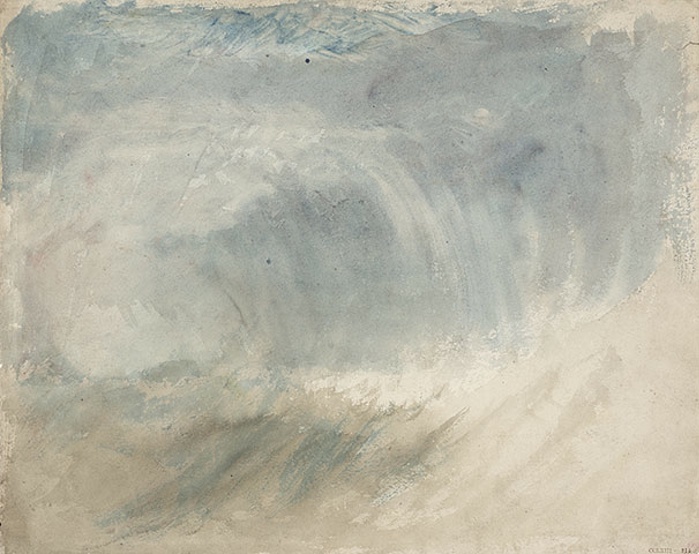
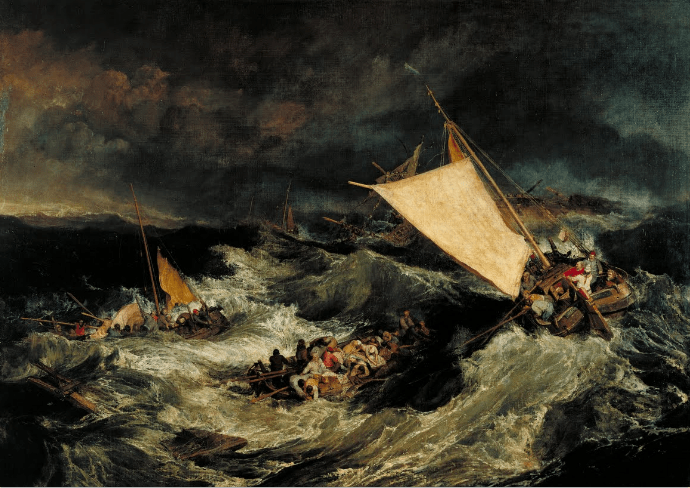
Cover Art: Storm At Sea (1820-1830) by J.M.W Turner
Star: zodiac-compatibility.tumblr.com
Meditating woman: odishasuntimes.com

On Bravery:

It is in these darkest of moments that we, as humans, possess the inner strength to find a way. We pick up an oar and we paddle. We crawl across the blackness centimetre by centimetre, with every stroke bringing us deeper into that haunting abyss. Surrounded by fear, with no light to guide us, we find the flicker of a flame within ourselves.

As a little boy I was afraid of the dark. I’m not even sure what it was about the dark that terrified me as much as it did. Finding myself in darkness, a wave of dread would wash over me. I drowned in that great unknown which floods any heart engulfed by its greatest fear. Paddling furiously, with nothing but dread and panic to swim toward, I would try desperately not to choke on the violent waves of darkness crashing against me.

I often found myself envying those friends of mine that seemed unaffected by darkness. Some of them were even bold enough to sleep in their dark rooms without a night light. Those boys were legends. I thought I was a coward and they were the bravest souls I had ever met, because I confused their lack of fear with bravery. Life, however, has funny ways of teaching us lessons about what it means to be brave.

brave-child
Clearly one of the children who were not afraid of the dark.

Those of us who were lucky enough to survive the voyage through the arduous seas of adolescence, too often found ourselves in dark and stormy waters that shook our soulful ships down to their very core. Yet no matter how violent the gale, we sailed on with our tattered banners until they were glowing in the light of the dawn and the storm had finally passed. We came to realize we are so much more than masts of bone and sails of skin. We are durable. We are bendy. We possess a power somewhere deep in our hulls that cannot be measured by stress tests or feats of strength.


I believe it is the greatest storms which teach us the most important lessons. The greatest struggles sire the smoothest sailors. It will be such a storm which will teach us the true meaning of bravery. Life has its ways of forcing us to face our deepest fears. It has its way of sitting us in that dark room.

Though I recall my great storm well, I do not remember exactly when my ship changed its course. I do not remember the sun dipping beyond the horizon. I can only remember the darkness of the night. Life had put me on a ship that was empty with no wind in its sails. My breath would have been visible in the icy night sky, had there been enough light to see it. I was stranded in the deepest darkest waters of the mind and, like those heroic friends from childhood, had no light in the night to guide me.


I think, in some form or another, we all experience this moment in our lives. A desperate moment in time, void of hope and happiness, that threatens to completely shatter our resolve. We find ourselves lost and afraid to move. With our ship sinking, we feel it is our duty to go down with it. It could be something as little as cramming the night before an exam, or as monumental as hearing the cancer has returned. Regardless of the depth of the dark waters we’re thrown into, staying the course – whatever that may be – becomes the portrait of insanity and we begin to paint the thought of surrender with the most beautiful and exotic of oils. Nothing seems as simple as lying on the deck and closing our eyes, waiting to welcome the black waves as they devour captain and craft.

It is in these darkest of moments that we, as humans, possess the inner strength to find a way. We pick up an oar and we paddle. We crawl across the blackness centimetre by centimetre, with every stroke bringing us deeper into that haunting abyss. Surrounded by fear, with no light to guide us, we find the flicker of a flame within ourselves. We trust in that feeble fire because it comes from a place that no darkness can breach. It comes from a place we don’t understand, but that we have an unwavering faith in.

If we take the generally accepted definition of bravery as a quality which knows no fear, I have never seen a brave man. All men are frightened.General George S. Patton, Drive to Victory – General Patton’s Third United States Army.

Those who walk into darkness without a fear of the dark are fighting a battle they have already won. They may be bold and courageous, but they are not brave. The brave are not without fear. On the contrary, it is only when we are overwhelmed with fear that it is possible to truly demonstrate bravery.

The brave, when sinking into the terror of the deep, find a way to paddle through. The brave, when consumed and surrounded by darkness, find a light within themselves. It is those who trudge undeterred through the darkest parts of themselves that are the true champions of bravery.


The fact that you’re reading this is enough to tell me you’ve made it through your share of storms. Maybe you’ve even survived your great hurricane, your grand and defining moment. Our life, however, is a single voyage comprised of many storms and there will always be another on the horizon. It’s part of being human. Before you die, you will face many more storms in all aspects of your life. Some of them will terrify you. Always remember that fear doesn’t define you; we cannot choose the things which strike terror into our hearts.

But we can choose to paddle on. We can choose to be brave, because bravery is within each and every single one of us. You just have to know it’s inside of you. I promise you that it is. You are not a coward. You are unwavering and unbreakable. You are strong. You are brave.

Be good to each other,

– MG.

Photo of the boy in a costume is courtesy of funderlandpark.com